
We animate what microscopes dream about.
Frame by frame, for peer reviewers and pharma boardrooms. Mechanism-of-action. Surgical pathways. Molecular cascades.
It begins with a paper nobody can picture.
A researcher submits a 40-page manuscript. The reviewers understand the data. Nobody can visualize the mechanism. The paper sits in revision for six months.
This is where Helix enters. We read the paper. We interrogate the authors. We build a visual hypothesis before a single frame is drawn.
94%
of reviewers approve on first submission
3.2×
faster FDA review cycles
Nature Cell Biology · Manuscript #NCB-2025-08841
Received 14 Aug 2025 · Under Review
Spatiotemporal regulation of SARS-CoV-2 spike protein conformational dynamics during ACE2 receptor engagement: implications for fusion peptide exposure
Abstract
The prefusion-to-postfusion transition of SARS-CoV-2 spike (S) protein involves a series of ███████████████████████████ conformational rearrangements that expose the fusion peptide (FP) domain for membrane insertion. Using cryo-electron tomography and ████████████████ we characterized the structural intermediates at 3.4 Å resolution.
Our findings reveal that heptad repeat 1 (HR1) extension precedes S2′ cleavage by approximately ████ milliseconds, challenging the prevailing sequential model. The six-helix bundle (6-HB) formation occurs in three discrete steps, each requiring ████████████████████████ energy input from membrane tension.
These data suggest that neutralizing antibody binding at the FP proximal region can arrest the cascade at ███████████, providing a structural rationale for next-generation therapeutic design.
Every frame is a scientific argument.
We don't sketch for aesthetics. Each storyboard panel is peer-reviewed internally — the biology must be correct before color touches the frame.
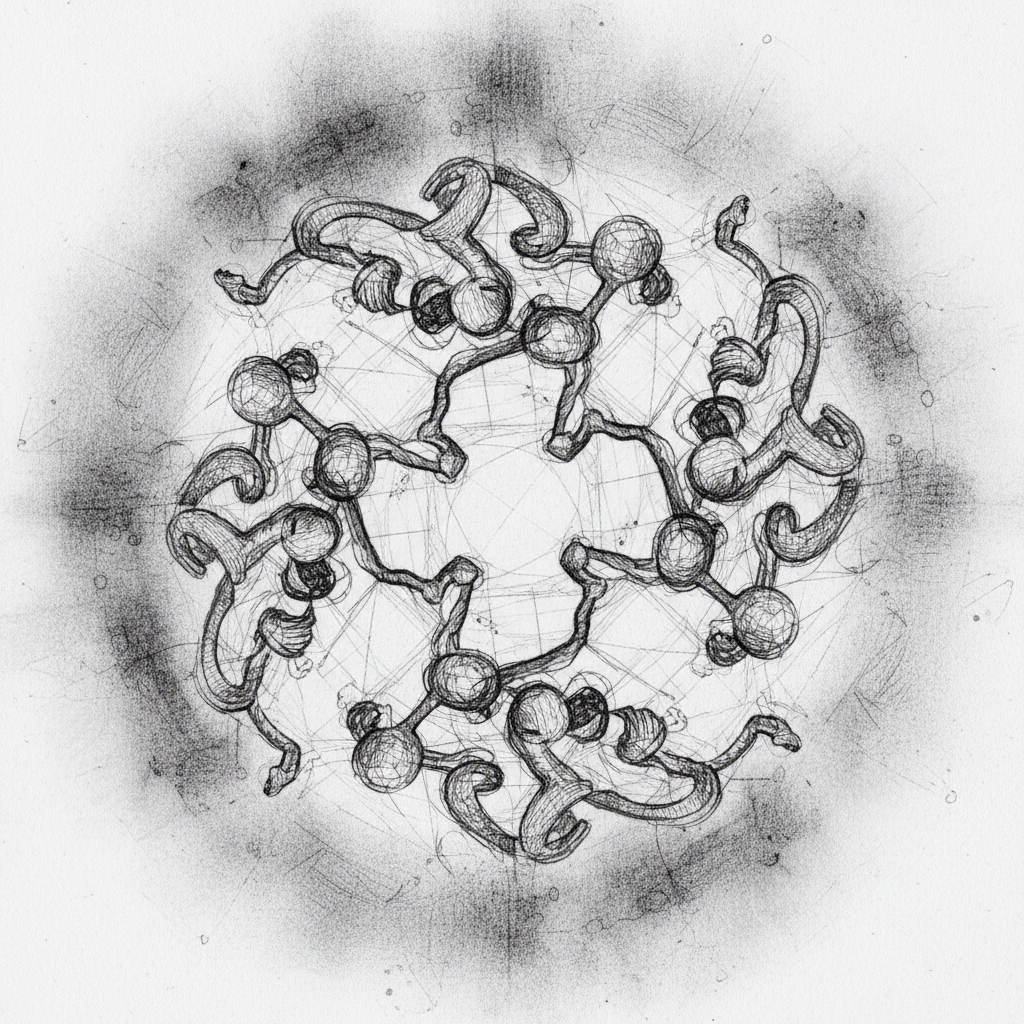
✎ Establish spike trimer in prefusion state — show three S1 domains
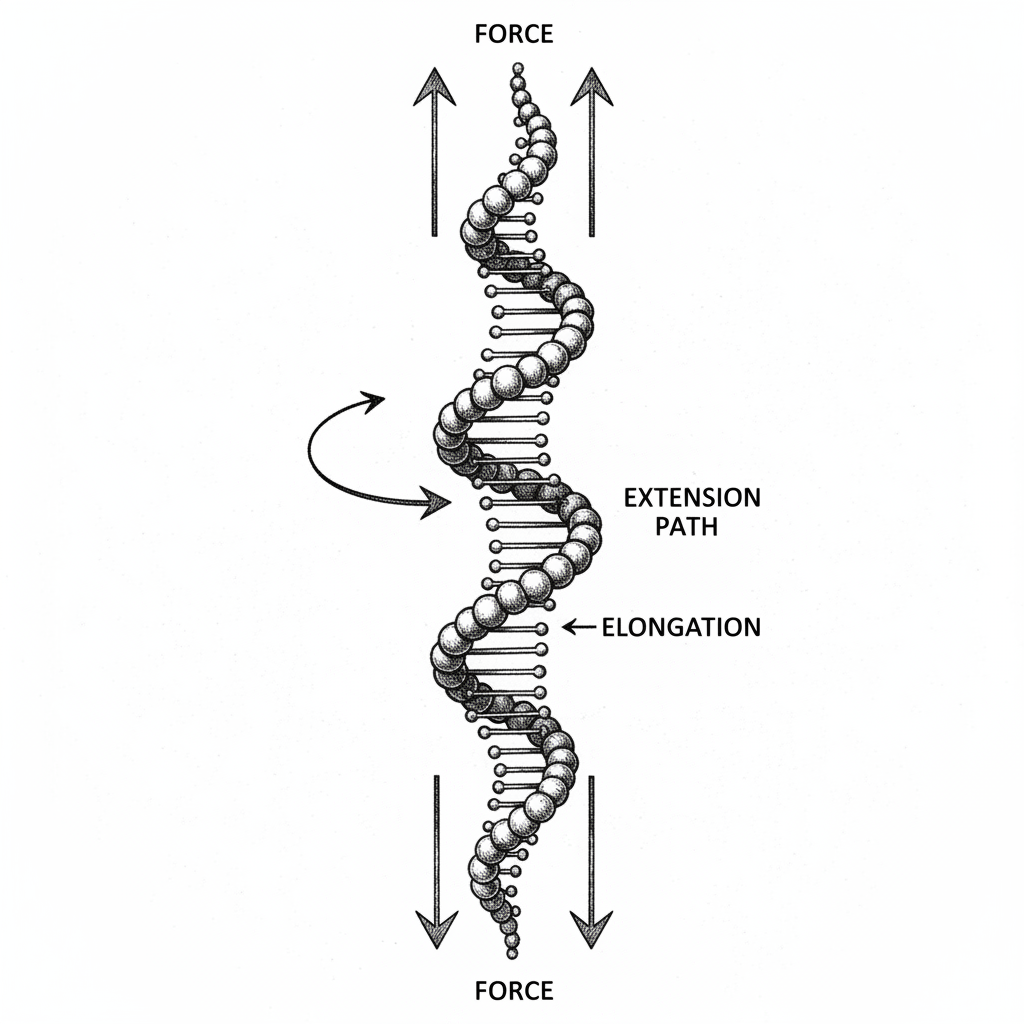
✎ HR1 extension — needs timing callout, ≈12ms window critical
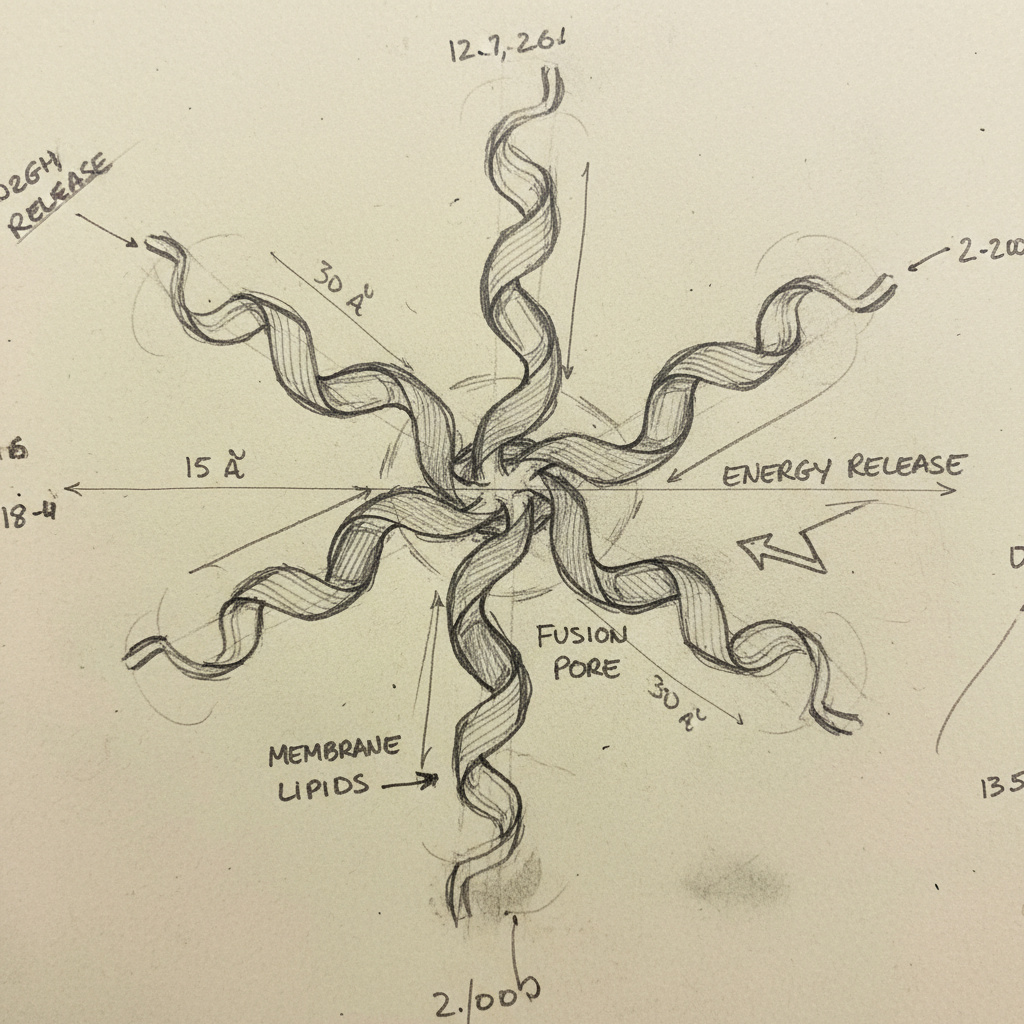
✎ 6-HB formation step 1 — membrane tension visualization TBD
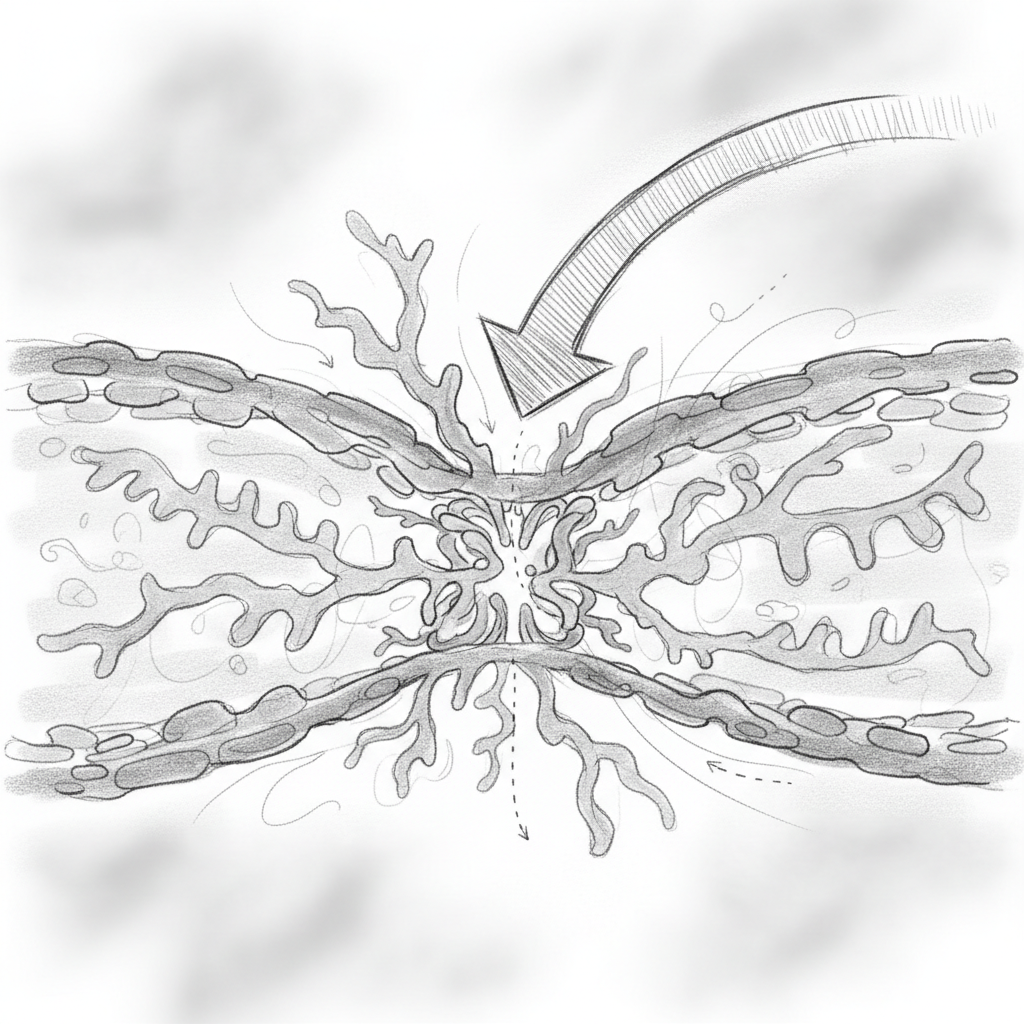
✎ Fusion peptide insertion — camera pull back to show membrane cross-section
Then the light arrives.
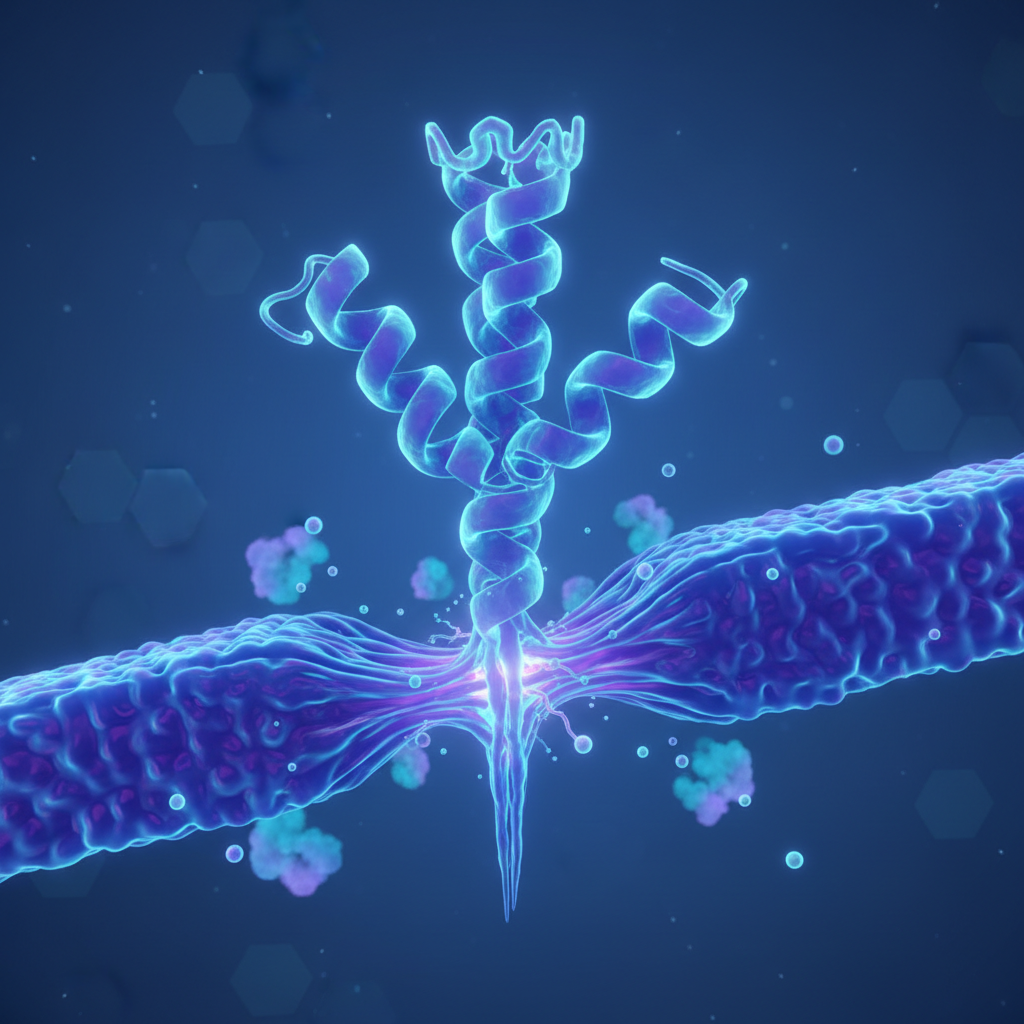
Styleframes are the moment a scientific argument becomes a visual experience. Color is not decoration — each hue maps to a specific molecular identity. Indigo for the viral envelope. Cyan for the kinetic event window. Violet for the host membrane.
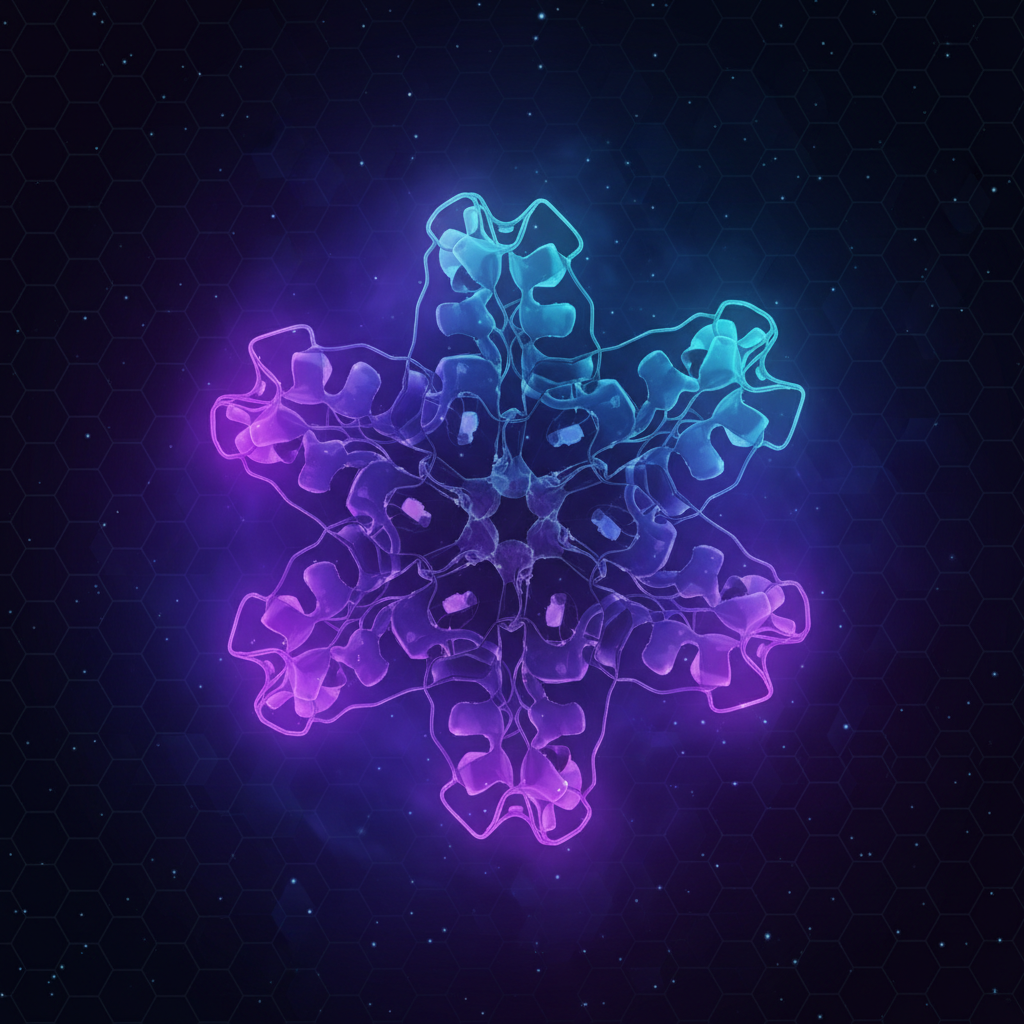
Spike trimer in prefusion — electric indigo membrane field
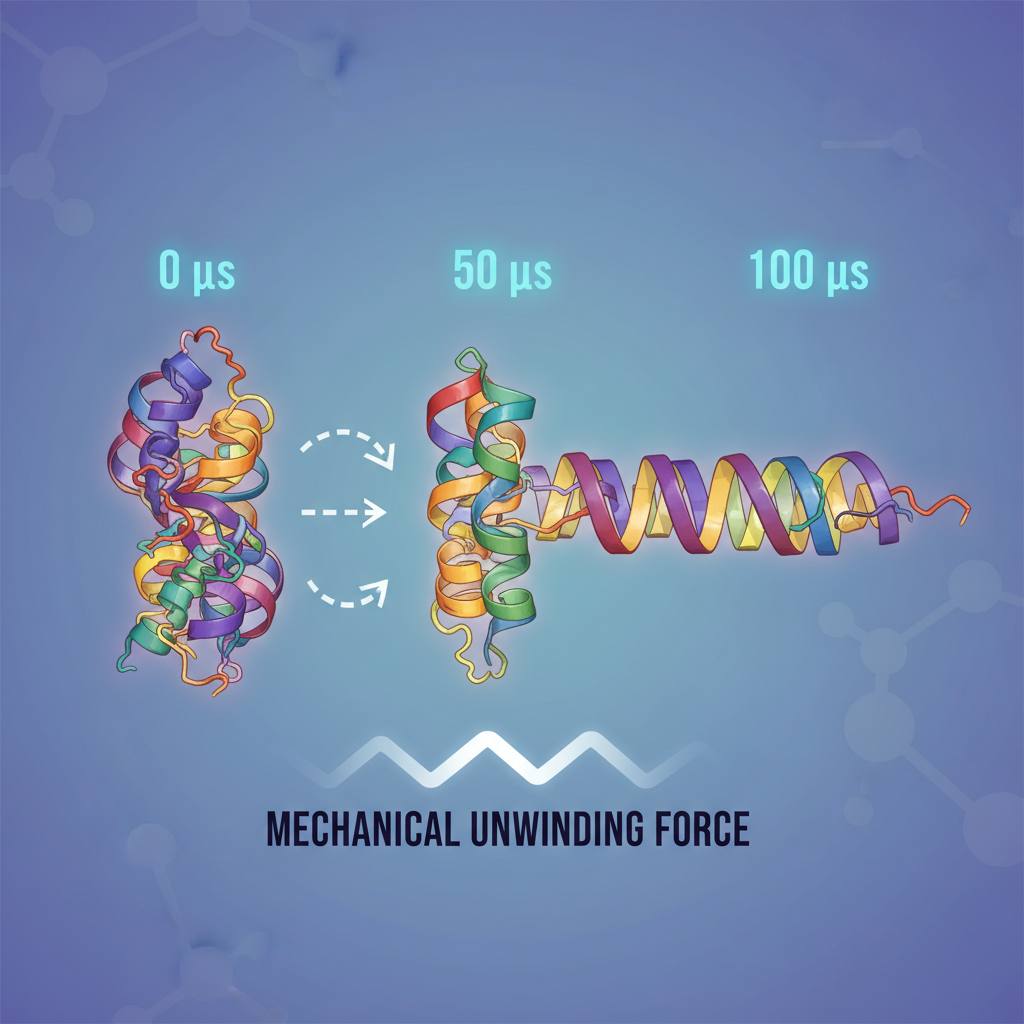
Cyan stroke traces the 12ms kinetic window
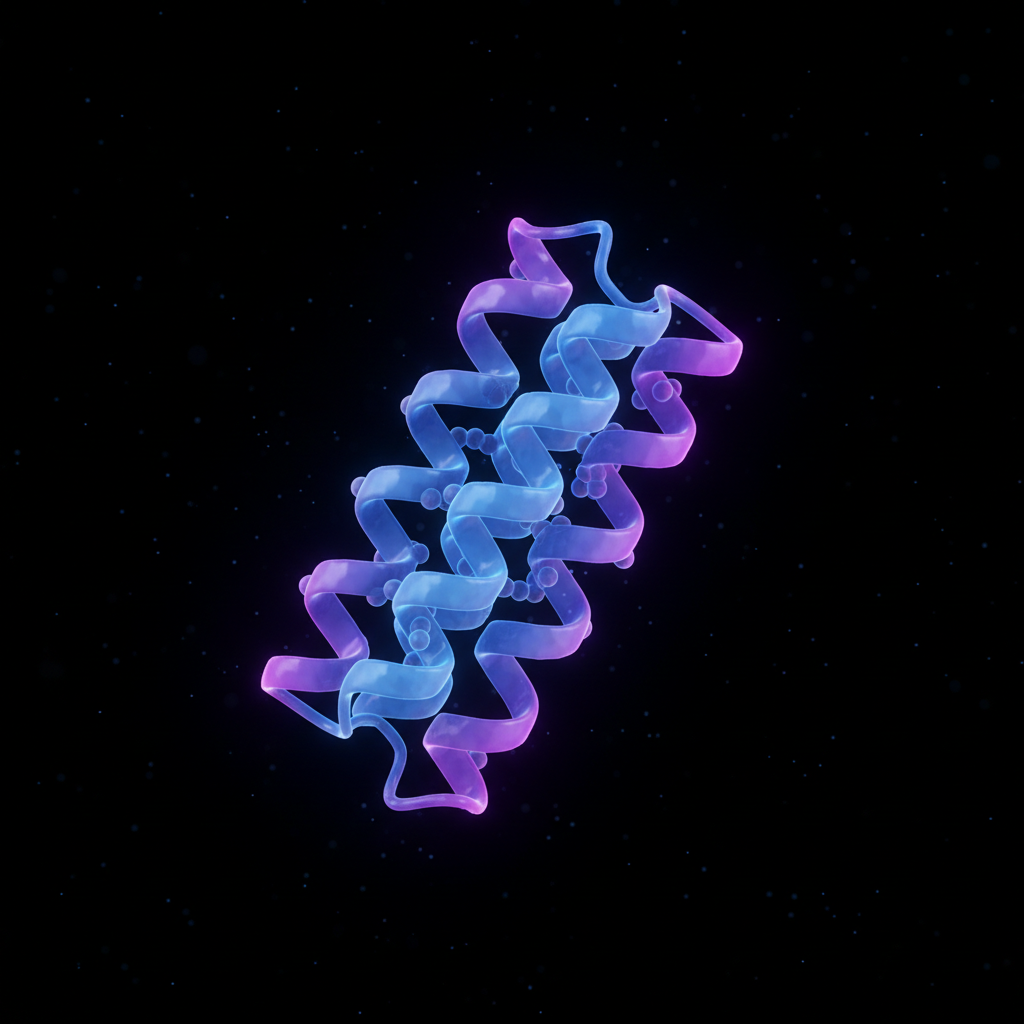
Membrane tension rendered as luminous pressure field
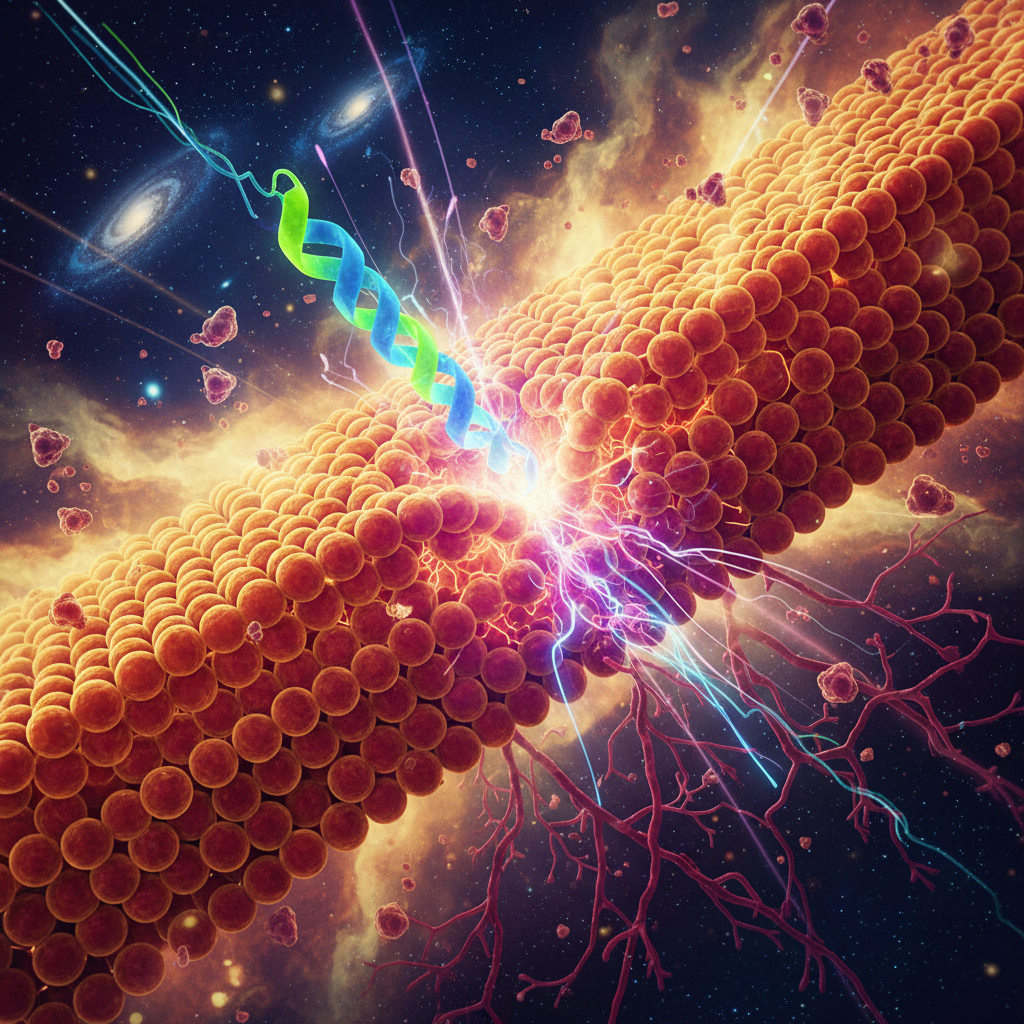
Final frame — peptide insertion, cathedral light
The reviewer stops at Figure 2A. The board finally sees it.
The spike protein mechanism animation delivered for this client cleared FDA review in 11 days. The investor deck raised $47M Series B. The journal issue sold out.
Arctus Bio
Series B · $47M raised
MOA animation for investor deck
Meridian Devices
FDA 510(k) Submission
Surgical pathway walkthrough
Cell & Gene Quarterly
Journal Cover Art
4-page illustrated mechanism
Vantis Therapeutics
Conference Keynote
AACR 2025 · 12-min presentation
Commission Your Animation
Tell us what you need. We'll respond within 24 hours with a scope and timeline.
Download Our Reel as PDF
Issue No. 7 · 24 pages · Full-bleed styleframes and process notes